Hungary — Our Stories · Chamigos Por El Mundo

HUNGARY
EuropaOur Story
Budapest is one of Europe's most beautiful and underrated capitals — a city of thermal baths, ruin bars, Art Nouveau architecture, and a Parliament building that rivals anything in Europe. Split by the Danube into Buda (hilly, historic) and Pest (flat, vibrant), it's a city of extraordinary contrasts that rewards exploration at every turn.
Why HUNGARY changed me
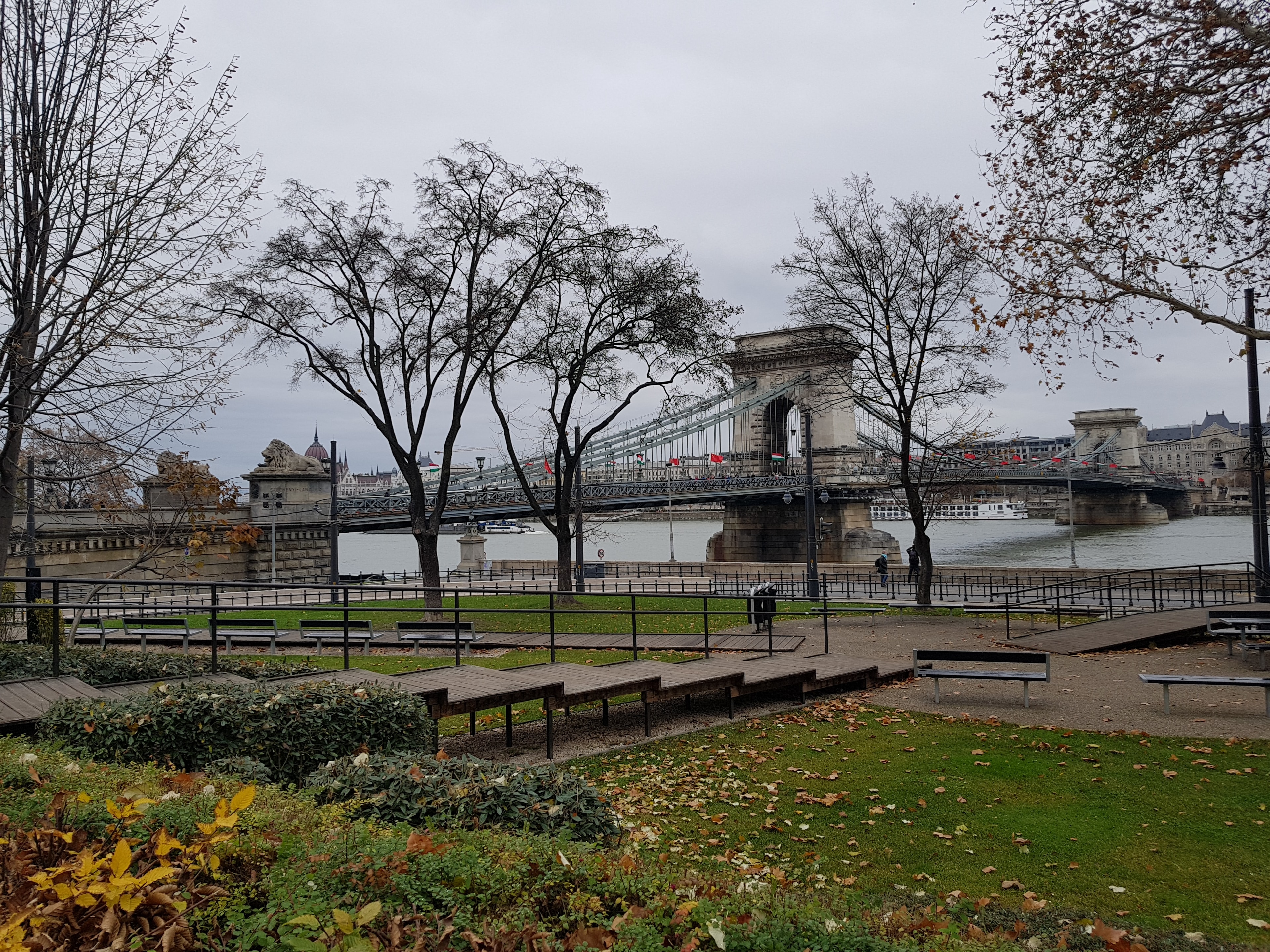
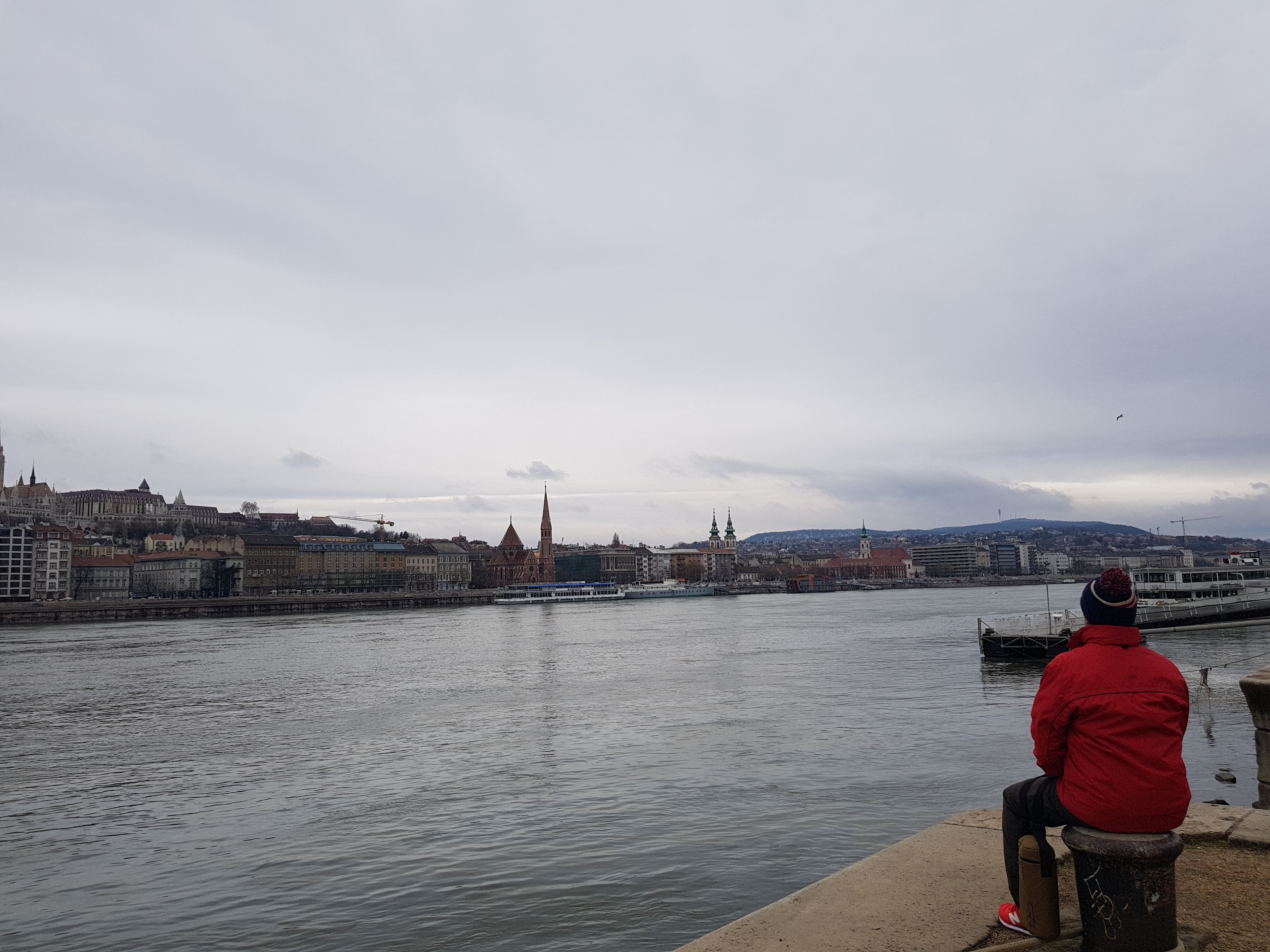
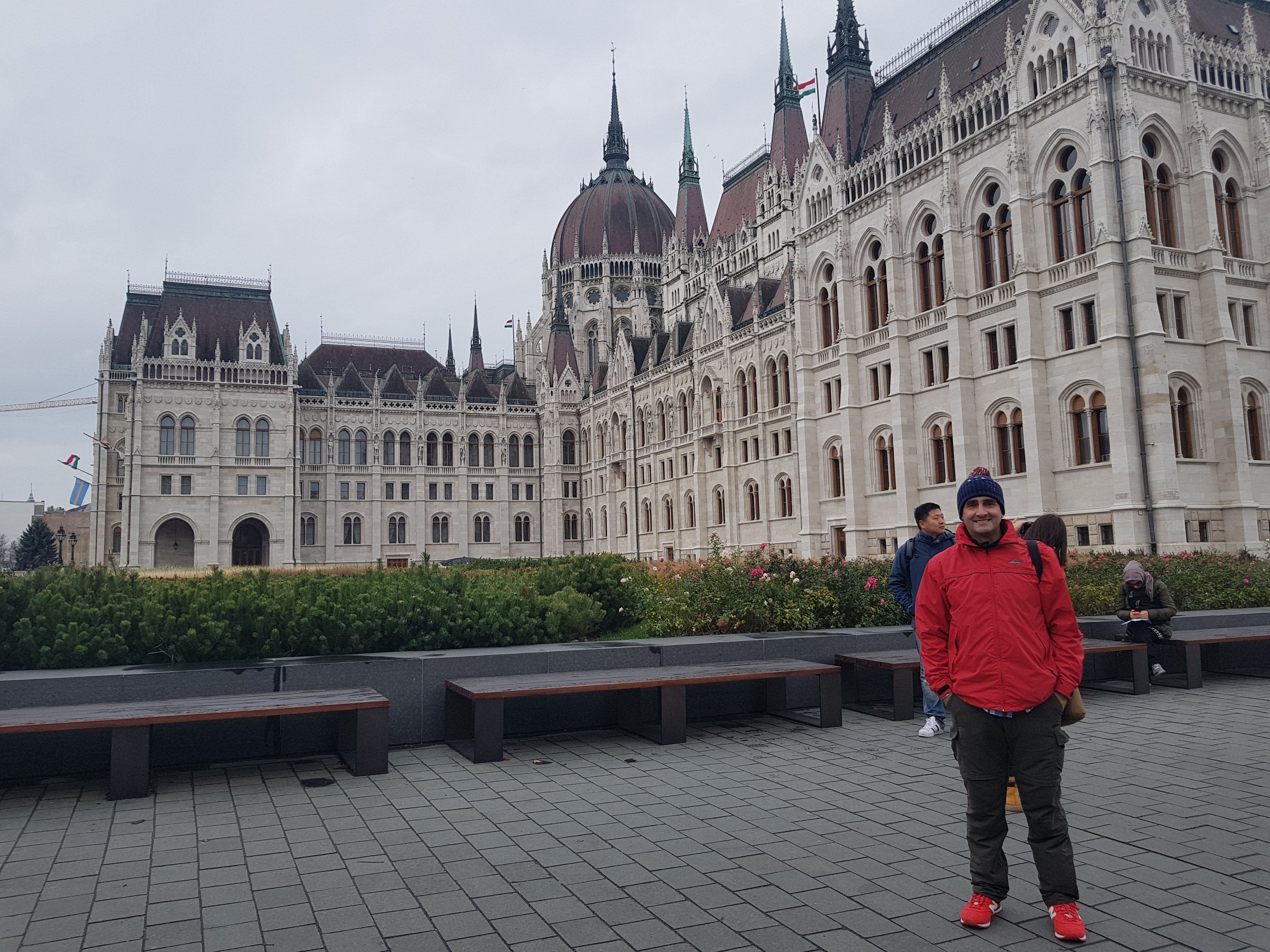
Budapest is one of those cities that surprises you with its beauty. The Parliament building — one of the largest in the world — glows golden on the banks of the Danube at night. The Chain Bridge connects Buda and Pest. The Fisherman's Bastion offers panoramic views of the city. And the thermal baths — Budapest sits on 118 natural hot springs — are a unique cultural institution.
Hungary has a fascinating and complex history — part of the Austro-Hungarian Empire, occupied by the Nazis, then by the Soviets, and now a member of the EU. That layered history is visible everywhere in Budapest: in the Art Nouveau buildings, the communist-era monuments, the Jewish Quarter (one of the largest in Europe), and the ruin bars that have taken over abandoned buildings.
For the Chamigos community, Budapest is the destination that most consistently exceeds expectations — and the one that most makes us want to stay longer.
Must-see experiences
Hungarian Parliament
One of the world's most beautiful parliament buildings, on the banks of the Danube. The interior tour is extraordinary. Book in advance.
Thermal Baths
Budapest has 118 natural hot springs. The Széchenyi, Gellért, and Rudas baths are the most famous — a uniquely Hungarian experience.
Ruin Bars
Szimpla Kert is the original — a bar built in an abandoned building in the Jewish Quarter. Budapest's ruin bar scene is one of the most creative nightlife concepts in Europe.
Buda Castle
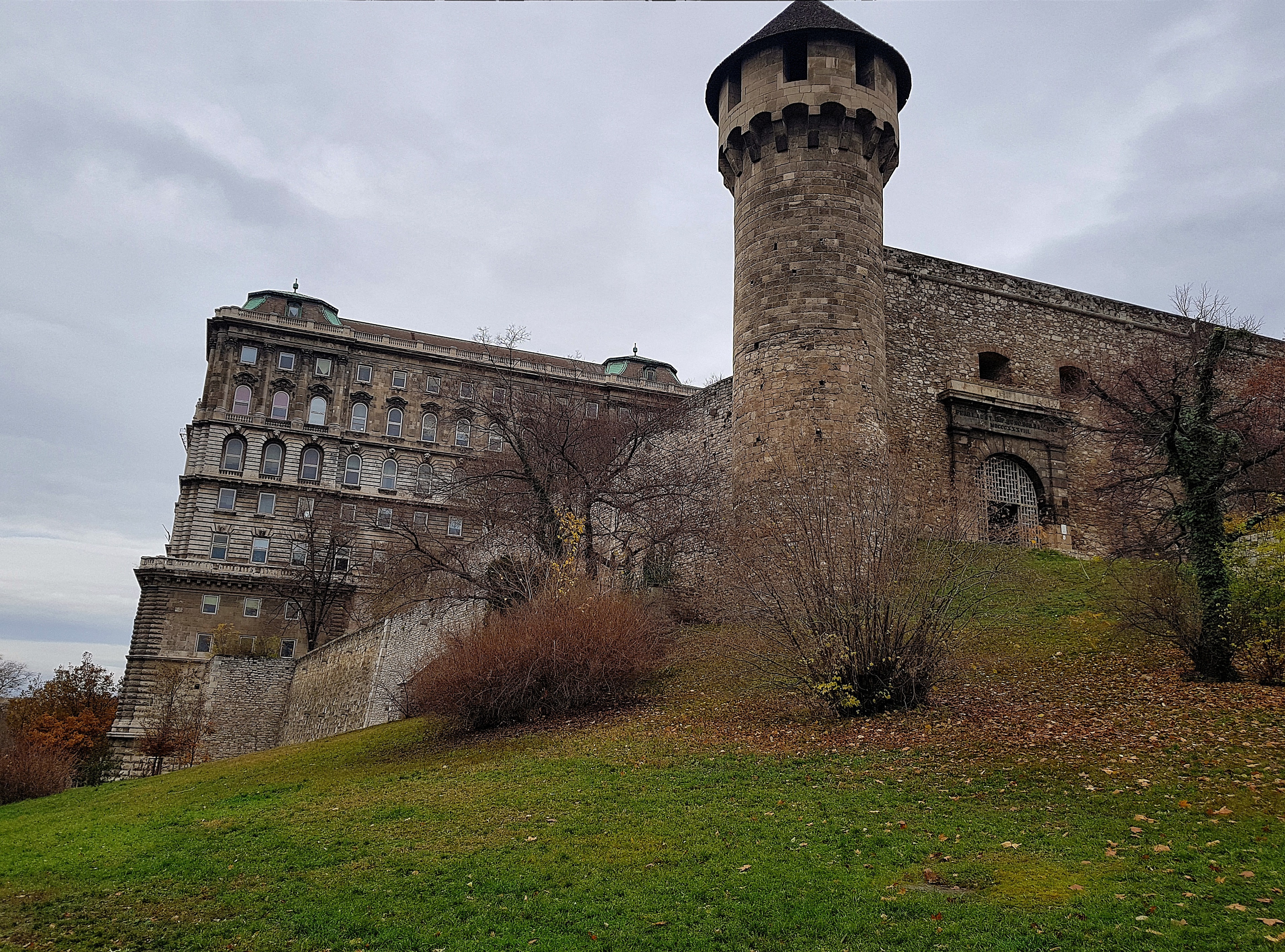
The historic castle district on the Buda side, with the Matthias Church, the Fisherman's Bastion, and panoramic views of Pest across the Danube.
Jewish Quarter
One of the largest Jewish quarters in Europe, with the Dohány Street Synagogue (the largest in Europe), the Jewish Museum, and a vibrant café and bar scene.
Hungarian Cuisine
Goulash, lángos, chimney cake, and Tokaji wine — Hungarian food is hearty, paprika-spiced, and deeply satisfying.
Tips for travelers
Hungary uses the forint, not the euro. The exchange rate means prices look large — divide by roughly 400 to get the euro equivalent.
Bring a swimsuit and a towel (or rent them). The Széchenyi baths are the most famous; the Rudas baths are more local and atmospheric.
Ruin bars are busiest Thursday to Saturday. Szimpla Kert is the most famous but also the most touristy — explore the surrounding streets for more local options.
The Danube Bend (Visegrád, Esztergom, Szentendre) makes an excellent day trip from Budapest. Trains and boats connect the towns.
Hungary taught us that the most beautiful cities are the ones that have survived the most — and that a thermal bath at midnight is one of life's great pleasures.
Gallery · HUNGARY