Singapore — Our Stories · Chamigos Por El Mundo

SINGAPORE
AsiaOur Story
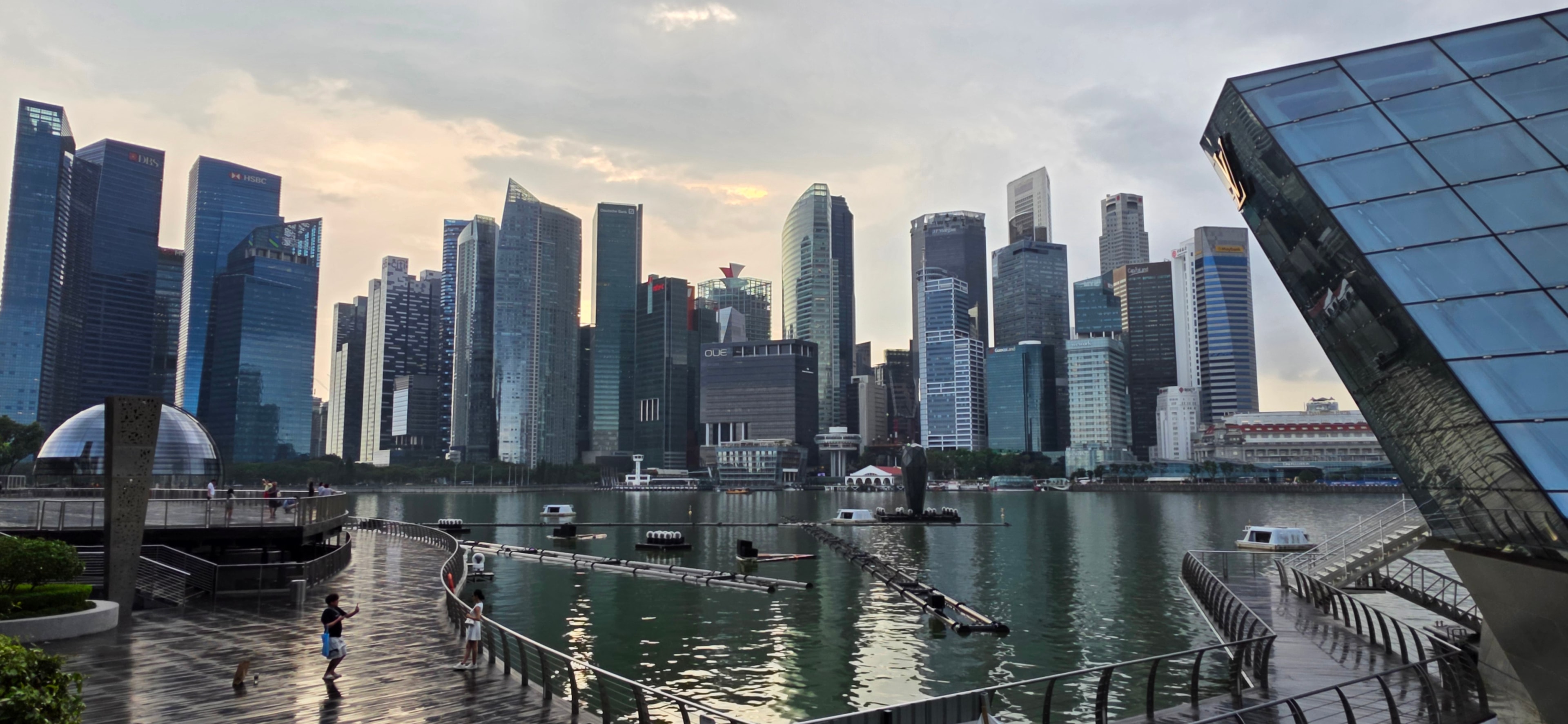
Singapore is the world's most successful city-state — a tiny island of 5.5 million people that has become one of the world's wealthiest, safest, and most livable cities in less than 60 years of independence. It's a place where Chinese, Malay, Indian, and Western cultures coexist in a way that is unique in the world, where the food is extraordinary at every price point, and where the urban planning is a model for the 21st century.
Why SINGAPORE changed me
Singapore is a city-state that shouldn't work — a tiny island with no natural resources, no hinterland, and no fresh water of its own. Yet it has become one of the world's wealthiest, safest, and most efficient cities, with a per capita GDP that exceeds most Western nations. The story of Singapore's transformation from a colonial backwater to a global hub in less than 60 years is one of the most remarkable in modern history.
Singapore is also a city of extraordinary cultural diversity. The Chinese, Malay, Indian, and Western communities have maintained their distinct identities while creating a shared Singaporean culture that is unique in the world. This diversity is most visible in the food: hawker centers serve Chinese, Malay, Indian, and fusion dishes side by side, at prices that make Singapore one of the world's best-value food destinations.
For the Chamigos community, Singapore is the destination that most makes us think about what a city can be — and the one that most makes us question our assumptions about development, diversity, and the future.
Must-see experiences
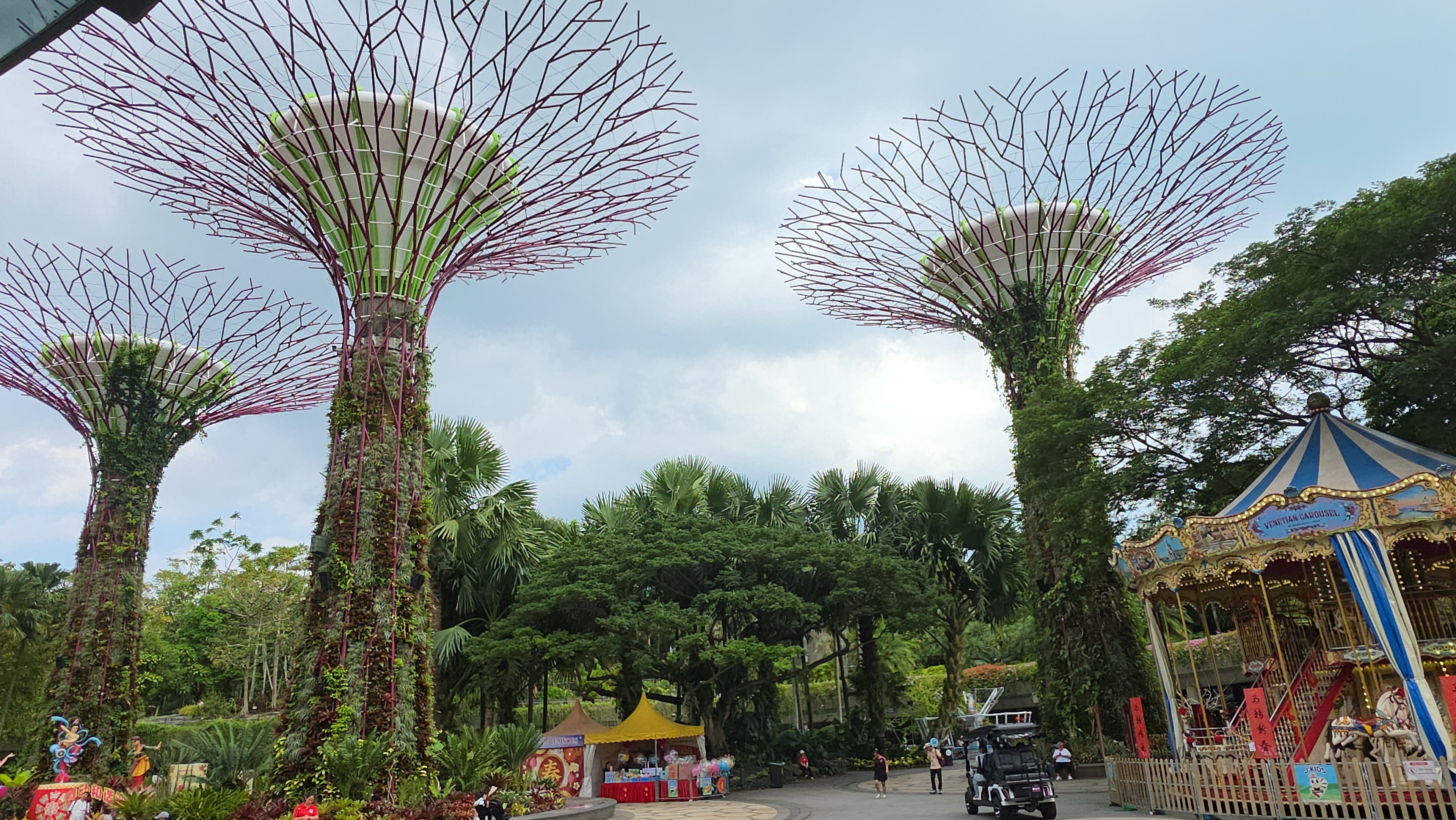
Gardens by the Bay
The Supertrees, the Cloud Forest, and the Flower Dome — a futuristic garden that has become Singapore's most iconic attraction. The light show at night is spectacular.
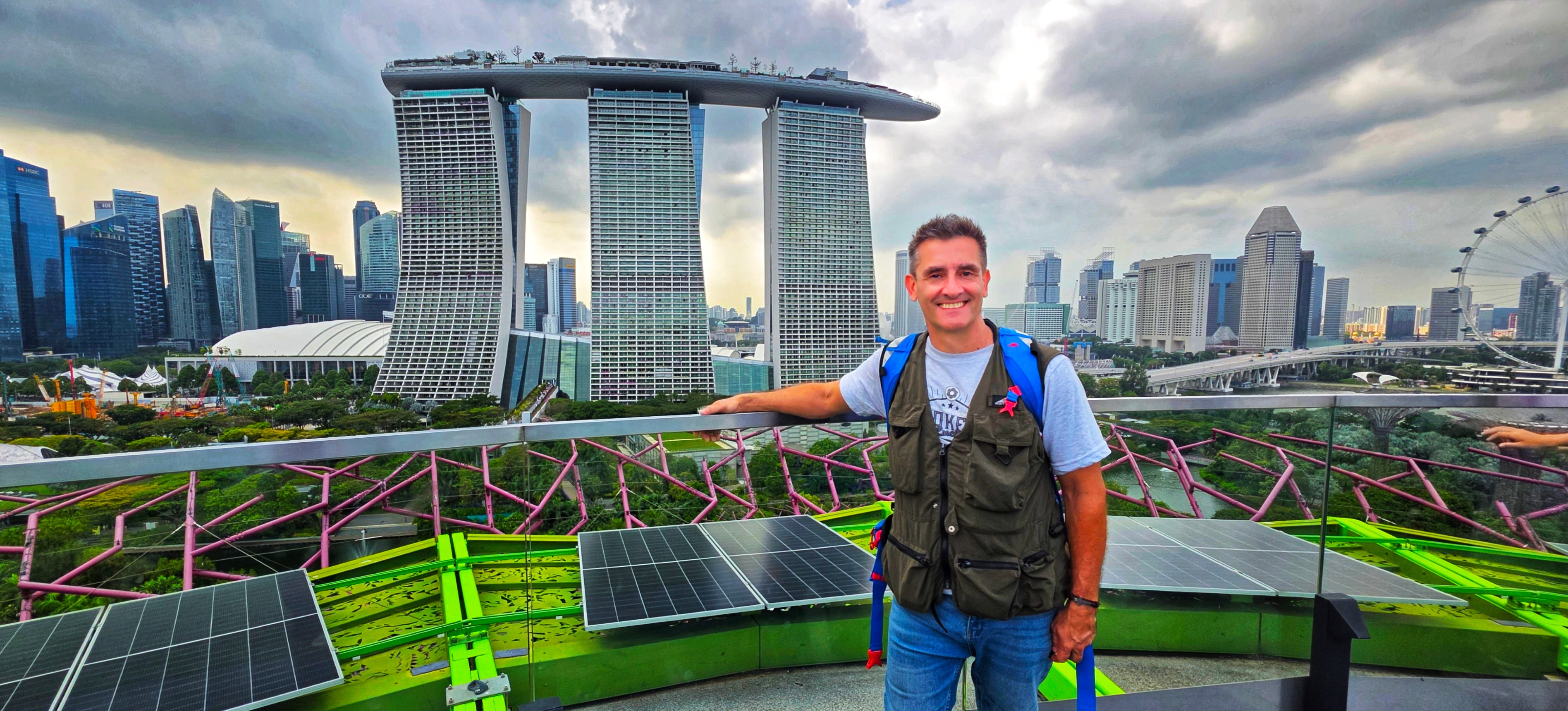
Marina Bay Sands
The iconic hotel with a rooftop infinity pool overlooking the city. The SkyPark observation deck is open to non-guests.
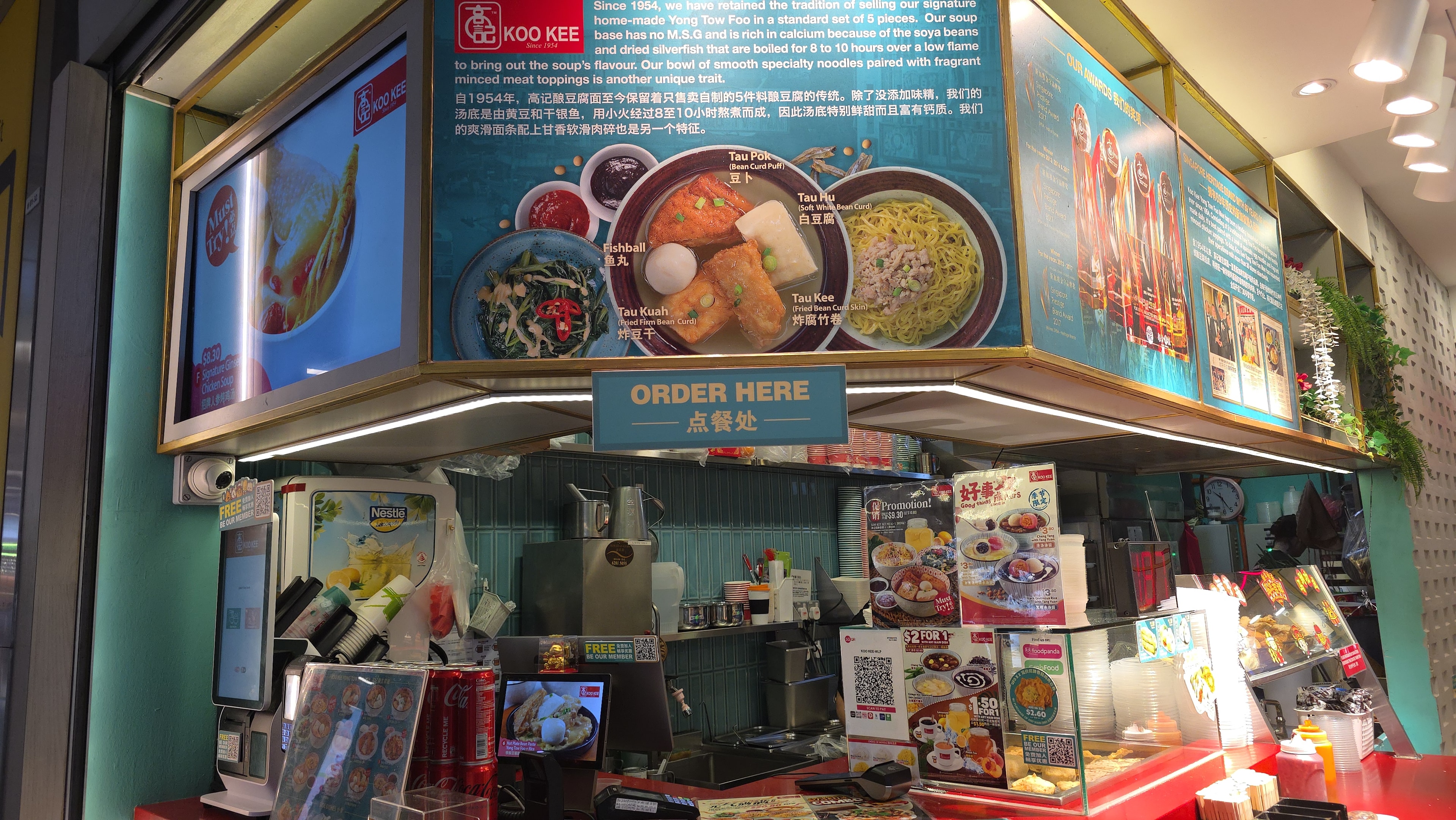
Hawker Centers
Singapore's UNESCO-listed hawker culture — Maxwell Food Centre, Lau Pa Sat, Chinatown Complex. Hainanese chicken rice, laksa, char kway teow, and chili crab.
Singapore Zoo
Consistently ranked among the world's best zoos, with open-concept enclosures and a Night Safari that is one of Singapore's most unique experiences.
Cultural Districts
Chinatown, Little India, Kampong Glam (Arab Street) — Singapore's cultural districts are vibrant, authentic, and within walking distance of each other.
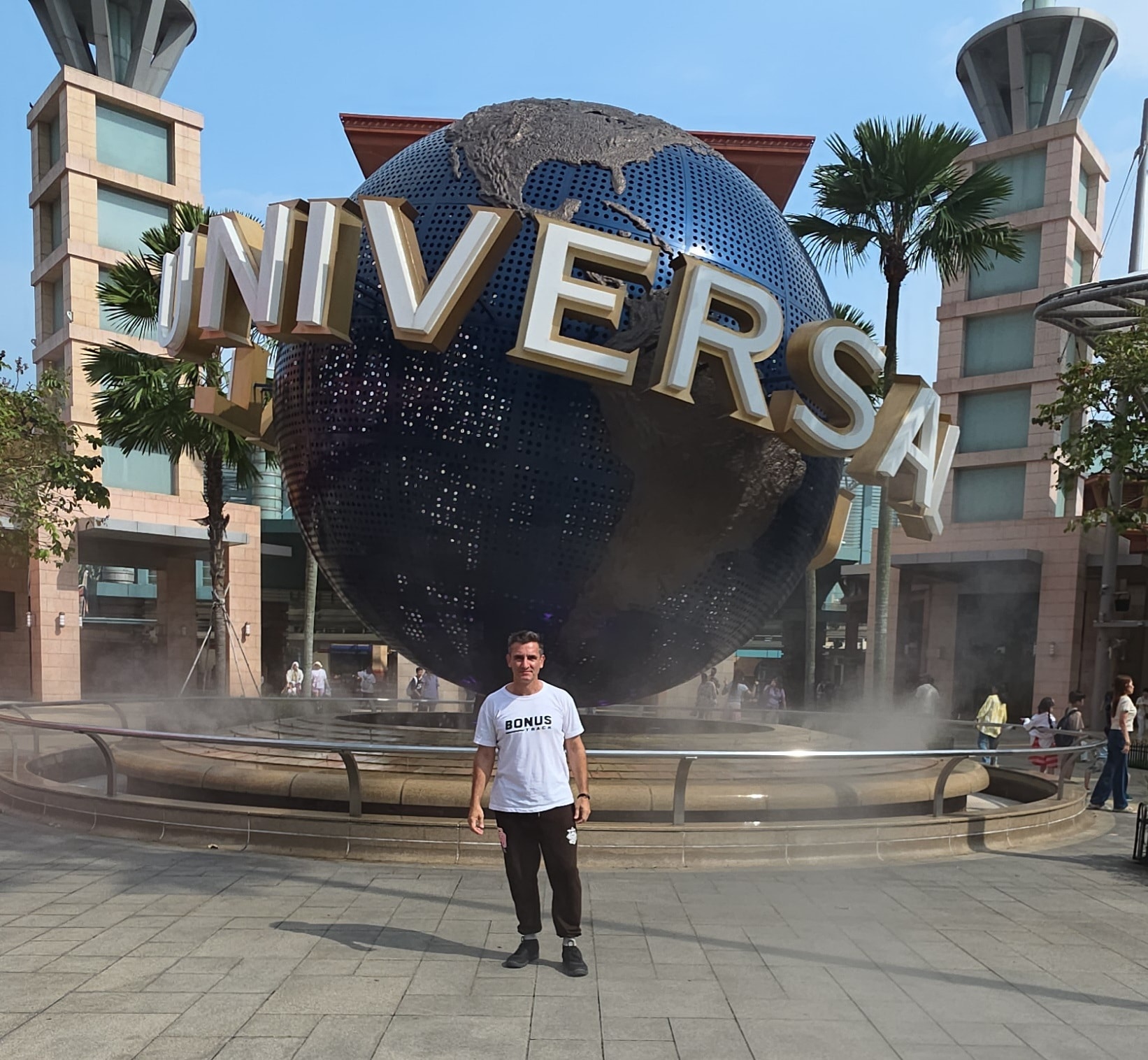
Sentosa Island
Universal Studios Singapore, S.E.A. Aquarium, beach clubs, and cable cars — Singapore's resort island is a full day of entertainment.
Tips for travelers
Singapore is expensive for accommodation and alcohol. Food at hawker centers is excellent and affordable (SGD 3–8 per dish). Plan your budget accordingly.
Singapore's MRT (metro) is clean, efficient, and covers the entire city. Use an EZ-Link card for seamless travel.
Singapore has strict laws — no chewing gum, no littering, no jaywalking. Fines are substantial. Follow the rules and you'll have no problems.
Eat at hawker centers for the best food at the best prices. The Michelin Guide has awarded stars to hawker stalls — Singapore takes its food seriously.
Singapore taught us that a city is not just a place to live — it's an argument about what human beings are capable of when they decide to get things right.
Gallery · SINGAPORE