UAE — Our Stories · Chamigos Por El Mundo

UAE
AsiaOur Story
The United Arab Emirates is a country that built the future in the desert — in less than 50 years. Dubai went from a small fishing village to a global metropolis with the world's tallest building, the world's largest mall, and an artificial archipelago shaped like a palm tree. It's a destination that polarizes travelers: some find it fascinating, others find it excessive. We find it both — and that's exactly what makes it worth visiting.
Why UAE changed me
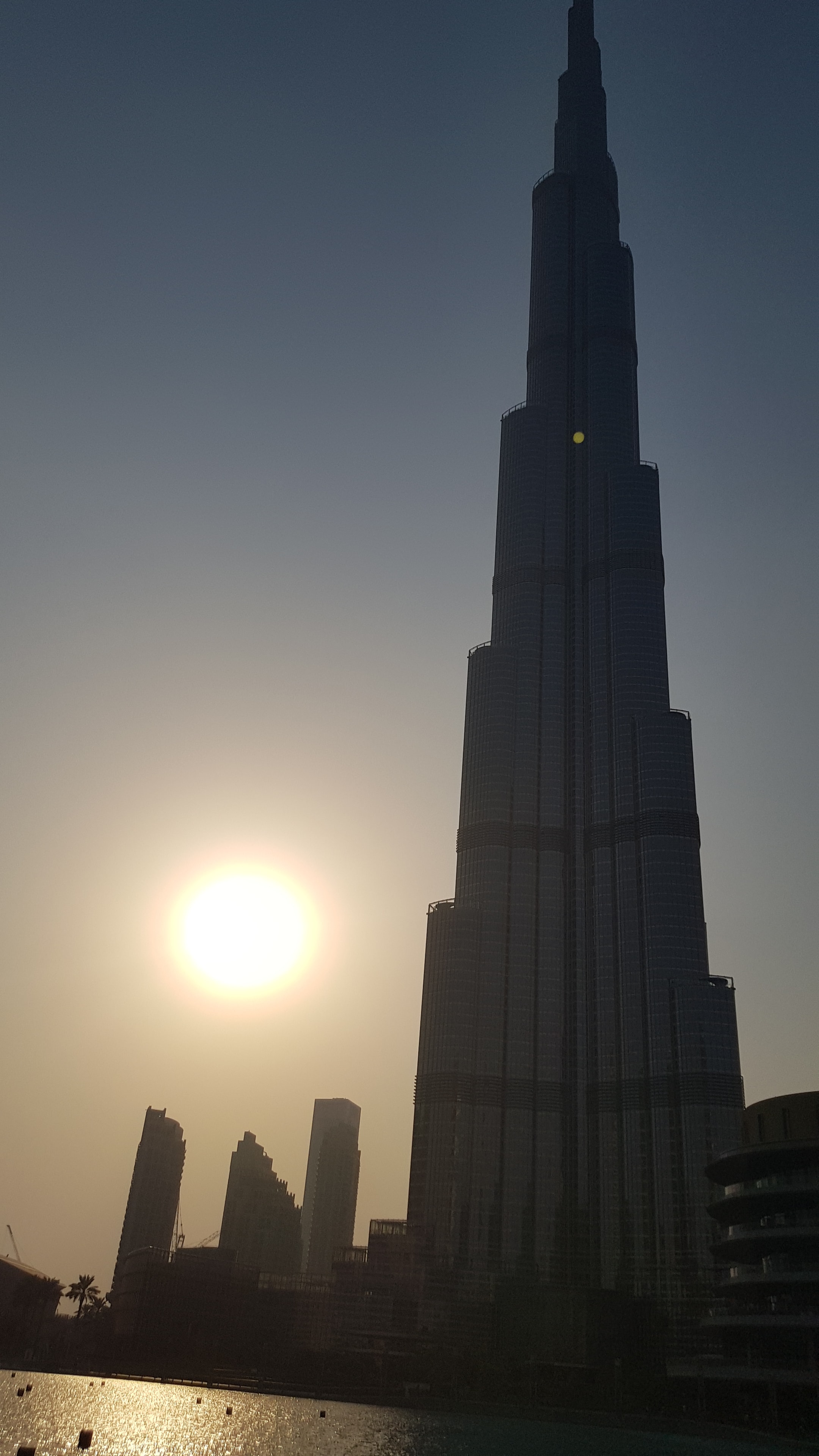
Dubai is a city that shouldn't exist — a global metropolis of 3.5 million people in the middle of a desert, built in less than 50 years on oil wealth and extraordinary ambition. The Burj Khalifa (828m, the world's tallest building), the Palm Jumeirah (an artificial island visible from space), and the Dubai Mall (the world's largest) are monuments to human ambition that are genuinely impressive, whatever you think of the values they represent.
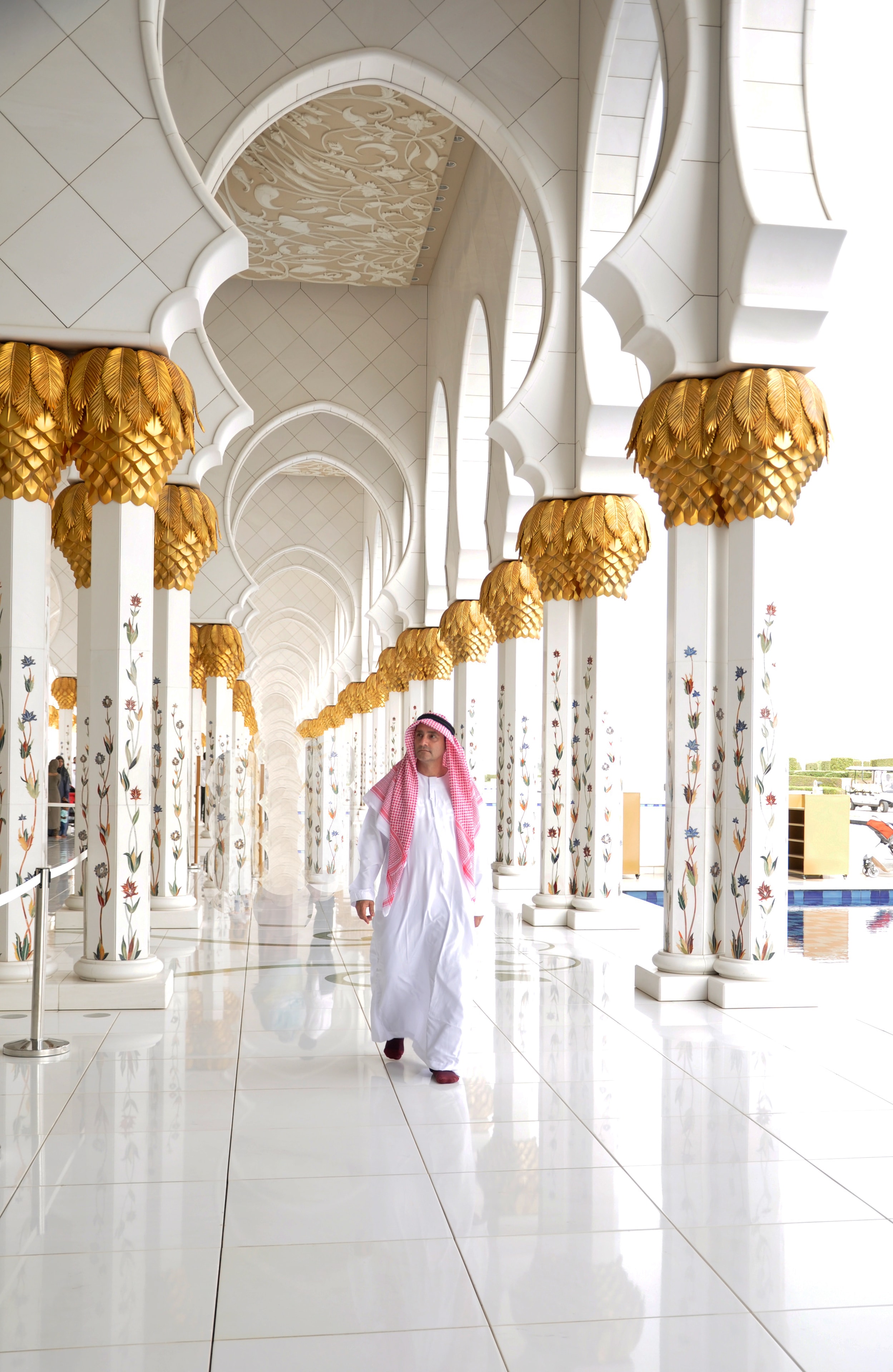
But the UAE is more than Dubai. Abu Dhabi, the capital, has the Sheikh Zayed Grand Mosque — one of the world's most beautiful buildings, with capacity for 40,000 worshippers. The old neighborhoods of Dubai (Al Fahidi, the Gold Souk, the Spice Souk) offer a glimpse of the city before the oil. And the desert — just 30 minutes from the city center — is one of the most beautiful in the world.
For the Chamigos community, the UAE is the destination that most challenges our assumptions about what a city can be — and the one that most makes us think about the relationship between wealth, ambition, and meaning.
Must-see experiences
Dubai Skyline
The Burj Khalifa (828m), the Dubai Frame, the Museum of the Future, and the Dubai Fountain — a skyline that is genuinely unlike anything else in the world.
Sheikh Zayed Mosque
One of the world's most beautiful buildings — a white marble mosque in Abu Dhabi with capacity for 40,000 worshippers. Free entry with appropriate dress.
Desert Safari
Dune bashing, camel riding, sandboarding, and a Bedouin camp dinner under the stars — the Arabian desert is just 30 minutes from Dubai's city center.
Gold & Spice Souks
The traditional markets of Deira offer a glimpse of old Dubai — gold jewelry, spices, textiles, and the atmosphere of a trading port that predates the oil era.
Ski Dubai
An indoor ski resort inside a shopping mall, in a city where the temperature outside is 40°C. Absurd, impressive, and somehow very Dubai.
Jumeirah Beach
The iconic beach with the Burj Al Arab hotel as a backdrop. Public beach access is free; the Burj Al Arab requires a reservation.
Tips for travelers
The UAE is a Muslim country. Dress modestly in public (covered shoulders and knees outside beach areas). Swimwear is fine at beaches and pools.
Alcohol is available in hotels, restaurants, and licensed venues. It's not available in public spaces or during Ramadan. Drink responsibly.
Dubai is extremely hot from May to September (40°C+). Visit between November and March for comfortable outdoor temperatures.
The Dubai Metro is clean, efficient, and air-conditioned. Taxis are affordable. Uber and Careem operate in the UAE.
The UAE taught us that ambition, at its most extreme, is both inspiring and unsettling — and that the most interesting cities are the ones that make you ask questions you didn't know you had.
Gallery · UAE